Physical Therapy for Balance Disorders After Stroke: What Works?
Stroke survivors face numerous challenges on their road to recovery, but few are as impactful on daily life as balance disorders. When a stroke affects the brain’s ability to process balance and coordination signals, even simple activities like walking to the kitchen or getting dressed can become daunting tasks. Fortunately, specialized stroke rehab Houston programs offer hope and proven solutions for restoring stability and confidence.
Understanding Post-Stroke Balance Challenges
After a stroke, the brain’s intricate network responsible for balance coordination may be compromised. This disruption can affect muscle strength, spatial awareness, visual processing, and the inner ear’s vestibular system. The result is often unsteadiness, increased fall risk, and a significant impact on independence and quality of life.
Research shows that up to 80% of stroke survivors experience balance problems, making balance therapy post stroke Houston an essential component of comprehensive rehabilitation. The good news is that with targeted physical therapy interventions, many individuals can regain substantial balance function and reduce their fall risk.
Proven Physical Therapy Approaches
Fall Prevention and Balance Exercises
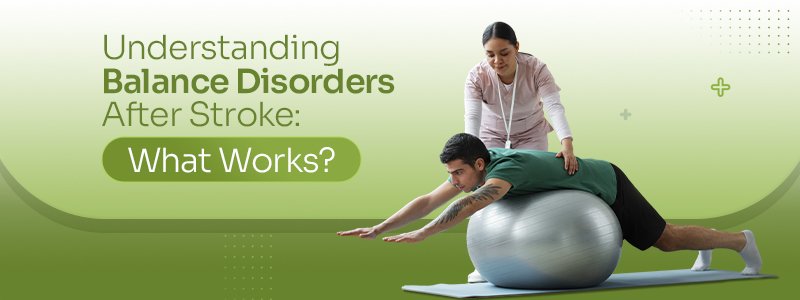
The foundation of post-stroke balance rehabilitation lies in structured fall prevention programs. These exercises focus on improving static and dynamic balance through progressive challenges. Therapists at Saburi Physical Therapy design personalized routines that gradually increase difficulty, starting with simple standing exercises and advancing to complex movement patterns that mimic real-world activities.
Key components include single-leg stands, weight shifting exercises, and multi-directional reaching tasks. These activities strengthen the core muscles, improve proprioception (body awareness), and enhance the brain’s ability to process balance information effectively.
Gait Training
Walking safely requires coordinated balance, timing, and muscle control. Gait training addresses these elements systematically, helping stroke survivors relearn proper walking patterns. Physical therapists use various techniques, including treadmill training, overground walking practice, and obstacle navigation exercises.
This approach not only improves walking ability but also builds confidence in mobility. Patients learn to navigate different surfaces, manage direction changes, and handle unexpected balance challenges they’ll encounter in daily life.
Body Weight Support System Training
Advanced stroke rehab Houston facilities utilize body weight support systems to accelerate balance recovery. These systems allow patients to practice walking and balance activities while partially suspended, reducing fall risk and enabling more intensive training sessions.
This technology is particularly beneficial for individuals with severe balance impairments, as it provides the safety net needed to practice challenging movements. As patients improve, support is gradually reduced, promoting natural balance recovery.
Vestibular Rehabilitation
When stroke affects the vestibular system, specialized rehabilitation techniques address dizziness, spatial disorientation, and balance dysfunction. Vestibular rehabilitation includes specific head and eye movement exercises, habituation training, and balance retraining protocols.
These interventions help the brain compensate for vestibular damage and develop alternative strategies for maintaining balance. Many patients experience significant improvement in dizziness and overall stability through this targeted approach.
The Importance of Comprehensive Care
Effective balance therapy post stroke Houston requires more than just exercise. The best programs incorporate education about fall prevention strategies, home safety modifications, and family involvement in the recovery process. Patients learn to recognize their limitations while building confidence in their improving abilities.
Physical therapists also address secondary factors that impact balance, such as muscle weakness, joint stiffness, and coordination deficits. This comprehensive approach ensures that all contributing factors are addressed for optimal recovery outcomes.
Take the First Step Toward Better Balance
Recovery after stroke is a journey that requires professional guidance, evidence-based interventions, and personalized care. At Saburi Physical Therapy, our experienced team specializes in post-stroke rehabilitation, offering cutting-edge techniques and compassionate support to help you regain your balance and independence.
Don’t let balance challenges limit your potential for recovery. Explore our specialized services and discover how we can support your journey to better balance and mobility.
Frequently Asked Questions
The most effective approaches combine multiple techniques including balance and fall prevention exercises, gait training, body weight support training, and vestibular rehabilitation. Research shows that programs incorporating task-specific training, progressive difficulty levels, and dual-task activities (combining balance with cognitive tasks) yield the best outcomes for stroke survivors.
Balance-focused physical therapy should begin as soon as medically stable, typically within 24-48 hours after stroke onset. Early intervention is crucial for preventing complications and maximizing recovery potential. However, intensive balance training may begin gradually, starting with bedside exercises and progressing to more challenging activities as the patient’s condition improves.
Most patients begin seeing improvements within 2-4 weeks of consistent therapy, with significant gains typically occurring over 3-6 months. However, recovery timelines vary greatly depending on stroke severity, affected brain areas, overall health, and therapy consistency. Some individuals continue improving for up to two years post-stroke with ongoing rehabilitation.
Yes, home exercises are essential for maintaining and enhancing progress between therapy sessions. Studies show that patients who perform prescribed home exercises 3-5 times per week experience faster improvement and better long-term outcomes. However, exercises should be prescribed by a physical therapist and performed safely, often with family member supervision initially.