
How Many Ultrasound Therapy Sessions Do You Really Need?
When you have persistent muscle pains, stiffness of joints, or slow recovery from an injury, then you must have heard about ultrasound treatment for pain. While having discussions with your therapist on the number of ultrasound therapy sessions it would take, you might ask yourself, “Do I really need to have this many sessions?” and “Will it be worth the time and effort?”
So let’s understand how ultrasound therapy sessions work, how many sessions you may, in fact, need to go through before you see any decent outcome, and whether ultrasound physiotherapy treatment is worth it.
What is ultrasound therapy?
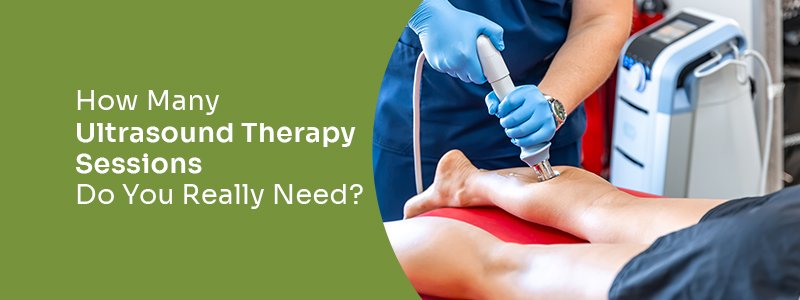
Ultrasound therapy is a form of noninvasive treatment that sends high-frequency sound waves that generate deep vibrations to penetrate soft tissues, increasing circulation, reducing inflammation, and helping the body heal itself naturally.
It’s commonly used for:
– Tendonitis or bursitis
– Muscle strains and tears
– Ligament sprains
– Scar tissue stiffness
– Persistent pains of the joints (shoulder, knee, elbow, etc.).
The sound waves in the ultrasound physiotherapy also go deep into the tissues where the hands cannot touch, as opposed to a massage.
How Many Ultrasound Therapy Sessions Do You Really Need?.
No universal answer exists, but the following is a rough guideline, relying on typical situations:
- Mild injuries or sharp pains: 3-5 sessions might suffice.
- Chronic pain or long-term pain: 8-12 sessions and above.
- Post-surgical recovery or scar tissue issues: can necessitate continued sessions, which can be incorporated in a more comprehensive rehabilitation program.
At Saburi Physical Therapy, we usually review progress periodically. When the treatment is effective, you will see a gradual decrease in pain, an enhanced range of motion, and an increase in tissue flexibility.
However, ultrasound therapy is hardly ever administered in silos. It is most effective when combined with stretching, strengthening exercises, or manual therapy.
Soft-tissue injuries take a long time to heal. Ultrasound treatment for pain might not have quick results but instead builds up with every session. Each session helps by:
- Increasing blood flow to injured tissues
- Breaking down adhesions in scar tissue
- Reducing swelling and deep inflammation
- Stimulating the body’s natural repair systems
Stopping too soon may cut the process short before real healing kicks in. That said, if you don’t see gradual results and signs that the ultrasound therapy sessions being administered are working, you should bring it up to your therapist, ensuring they have a more comprehensive idea of how to tweak your plan to ensure your target goals are being met.
Ultrasound Massage vs. Ultrasound Therapy:
Short answer: Yes, there are major differences. Long answer…
Ultrasound physiotherapy treatment is medically guided, involving the use of sound waves to achieve deep levels of tissue penetration. It is coordinated, concentrated, and aimed at the recovery of injuries and reducing pain.
Ultrasound massage equipment is available over-the-counter or in spas. Although they provide a light, relaxing effect, they hardly reach the same tissue penetration or clinical impact.
Therefore, when it comes to an injury, chronic pain, and mobility, ultrasound therapy is what is required. And to relieve mild pain daily, a small dose of relief could be achieved through the use of an ultrasound massage.
How long does each session last?
Depending on the body part under treatment and the level of discomfort, a single session may take between five to ten minutes.
Two major factors determine the duration of each session
Size of the Treatment Area
- Small Areas: 3 to 5 Minutes
- Medium Areas: 5 to 8 Minutes
- Larger Areas: 8 to 12 Minutes
Treatment Goal
- Thermal effects: 6 to 10 Minutes
- Non-Thermal/Pulsed Ultrasound: 3 to 8 Minutes
Time also varies depending on the frequency and intensity, but as a general rule of thumb, ultrasound is usually applied for around 5 to 10 minutes and never more than 12 minutes. It usually forms part of an extended physiotherapy treatment, which involves light stretching, manual therapy, or strength-building exercises.
Does It Actually Work?
Yes. Ultrasound therapy provides pain relief and quicker healing to a lot of people, particularly when administered consistently and under expert supervision. It is no magic, but it could work miracles with an appropriate rehab strategy set in place.
We have observed ultrasound treatment benefiting patients at Saburi by:
- Helping them move better after surgery
- Getting rid of stiff pain that lingers.
- Increasing mobility without any sharp pains.
We are able to achieve optimal results by addressing the problems patients come with instead of forcing them into treatments. At Saburi Physical Therapy, we focus on the holistic health of our patients, ensuring each patient gets customized care depending on their needs.
Let’s debunk some common myths about ultrasound therapy.
We get it; the internet is full of information, and not all of it is accurate. If you’re considering ultrasound therapy, it’s important to separate fact from fiction. Here are some of the most common myths we hear and the real truth behind them:
Myth: Therapeutic ultrasound is painful.
Fact: Therapeutic ultrasound is non-invasive and typically only causes mild sensations, if any. Anaesthesia is not required.
Myth: Applying ice before therapeutic ultrasound will increase heating
Fact: Applying ice before therapeutic ultrasound actually decreases blood flow to the area, which can lead to quicker tissue heating and potential damage. The opposite is true: an ice pack can increase tissue heating.
Myth: It is a quick fix.
Fact: Like other physiotherapy treatments, therapeutic ultrasound requires time and consistency to show significant results. The duration depends on the condition being treated.
Lastly, always make an informed choice.
Ultrasound therapy is quiet, gentle, and often underestimated, but when it’s done right, it can be a powerful tool in your recovery. The key is consistency, proper pairing with other treatments, and honest communication with your therapist.
You don’t need dozens of sessions; instead, focus on helping develop a plan that fits your body, your healing pace, and your goals. That’s when you’d see consistent results and improved health.
Frequently Asked Questions
Ultrasound therapy uses sound waves to stimulate healing in muscles, joints, and soft tissues. It increases circulation, reduces swelling, and breaks down scar tissue to improve healing and reduce pain.
It depends on the condition, but most people see results after 3 to 5 sessions for mild issues and may need up to 12 or more for chronic or complex injuries. Your therapist will adjust based on how your body responds.
No. Ultrasound massage is typically used for relaxation or surface-level treatment. Ultrasound therapy is a clinical treatment using medical-grade equipment to target deeper tissues and aid recovery.
Yes, many people experience reduced pain, better range of motion, and faster healing with ultrasound therapy when used alongside other physiotherapy treatments.
Usually between 5 and 60 minutes, depending on the level of injury or pain in the affected area. It’s often included as part of a larger session involving exercises or manual therapy, depending on your treatment plan.