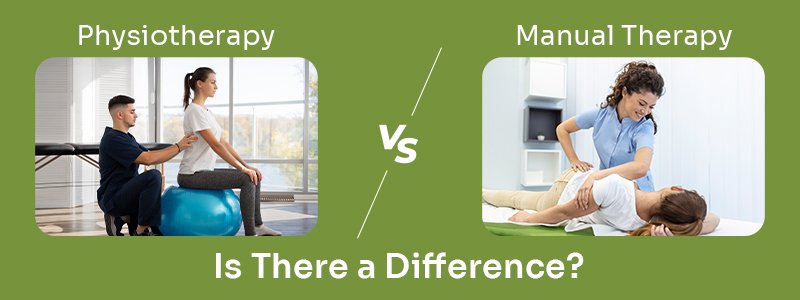
Physiotherapy vs. Manual Therapy: Is There a Difference?
When your body begins to feel stiff, painful, or simply not like it was before, it is natural to try and seek assistance. Perhaps it is aching knees after walking or a strained back that makes it impossible for you to stand straight. Home remedies or quick fixes that last for a while are our go-to. However, once the issues are too hard to manage or persist for too long, that is when physiotherapy treatments even cross our minds.
Physical therapy and manual therapy may seem a little too confusing, especially when you are just trying to feel better. So, let’s break it down.
Physical therapy isn’t just for when you are injured…
Physiotherapy treatments mainly aim at making your body move better, feel stronger, and heal better after being injured or experiencing persistent aches, pains, or prolonged sore joints. It is a scientific methodology that consists of several treatments and is customised to your needs.
In clinics such as Saburi Physical Therapy, which focus on holistic wellbeing, a combination of strengthening exercises, manual therapies, and device-based therapies are used to achieve the best results.
“Physiotherapy” is an umbrella term.
Physical therapy encompasses several proven treatments, each serving a distinct purpose. Here’s a closer look at some of these methods:
- Iontophoresis – gentle electrical pulses that stimulate nerves and muscles, excellent at reducing chronic pain and increasing strength.
- Biofeedback – Sensors allow you to understand and manage functions such as muscle tension or breathing, which in turn helps you manage pain.
- Thermotherapy – Applying heat compression improves blood circulation and relieves stiffness, the perfect treatment for a sore joint or arthritis relief.
- Cryotherapy – Cold Therapy is a popular solution to reduce swelling and inflammation.
- Ultrasound Therapy – Deep sound waves enhance blood circulation and healing and are effective in the injury recovery process.
- Shockwave Therapy (ESWT) – This is applied in obstinate chronic pain; shockwaves are used to break up scar tissue and activate healing in such regions as the shoulder or knee.
- Laser Therapy – Low-level laser energy diminishes inflammation and aids tissue repair, which is good for joint pain and wear-and-tear injuries.
- Manual Therapy – Hands-on therapy to gently stretch your spine or joints to relieve pressure and reduce nerve pain.
Let’s talk about manual therapy.
Manual therapy is a hands-on method that is administered by qualified therapists who move your body joints, muscles, and connective tissue and help alleviate pain and regain movement. It is usually combined with other physiotherapy interventions to offer a solution that focuses on both quick relief and permanent recovery.
Why do you need manual therapy?
There are many benefits of manual therapy, more so when combined with other physical therapies and a consistent plan. Here is what you could achieve:
– Alleviate muscle and joint pains.
– Enhance flexibility and mobility.
– Reduce tightness
– Recovery post injury/surgery.
– Enhance circulation and promote healing.
It is particularly useful for individuals who are suffering from chronic stiffness or poor balance, or those looking to resume their daily lives free of pain post-surgery.
The following are manual therapy techniques that our physiotherapists specialize in:
- Joint Mobilisation – Helps restore the natural movement of stiff joints through slow, rhythmic movements.
- Soft Tissue Targets tight muscles and connective tissues to reduce tension.
- Myofascial Release – Releases the “webbing” around fascial muscles that can become tight and restrictive.
- Trigger Point Therapy – Applies pressure to specific painful spots to reduce referred pain.
- Manual Stretching – Helps extend your range of motion comfortably, especially when joints or muscles are tight.
How many manual therapy sessions do you require?
The number of manual therapy sessions that one will require highly depends on the condition they’ve got, the severity and how well they respond to therapy. Typically, the plan begins with 5 to 8 sessions, sometimes more if they have chronic issues.
Prior to the initial session, a physical therapist is essential to assess and determine the optimal number of sessions and design a personalised plan for the best treatment route.
Physiotherapy vs. Manual Therapy??
Physiotherapy encompasses physical exercises, machine-based therapies, and hands-on therapies.
Manual therapy is a specialized process of physiotherapy that involves all hands-on methods.
In the case of physiotherapy vs. manual therapy, it isn’t one or the other but more so a collaboration between the two to achieve maximum results. For instance, an individual who has gone through knee surgery may receive ultrasound therapy (to help reduce swelling), manual therapy (to help ease the joints) and guided exercises (to help develop strength, stability, and balance). It’s about open communication with experts, who would then formulate a comprehensive plan to achieve individual health goals.
The Saburi Way
We believe healing is personal at Saburi Physical Therapy. That is why we make each treatment plan holistic and personalized.
This can be in the form of:
– Manual therapy to ease joint tension and decrease pain.
– Ultrasound or electric therapy to accelerate recovery.
– Coach safe and effective mobility exercises to restore balance and strength.
– Nerve retraining assistance towards long-term wellness.
We strive to work with your body and not against it, and that is the Saburi Way.
Frequently Asked Questions
Physiotherapy is a broad field that includes many treatment methods like exercises, electrical stimulation, and ultrasound to help restore movement and reduce pain.
Manual therapy is a specialized part of physiotherapy that involves hands-on techniques like joint mobilization and soft tissue work. While physiotherapy can involve equipment or machines, manual therapy focuses entirely on physical touch and movement.
Manual therapy offers several important benefits, especially for those dealing with joint stiffness, muscle pain, or limited mobility. It can help:
- Relieve pain quickly
- Improve flexibility and joint movement
- Reduce muscle tightness and inflammation
- Support post-surgery recovery
- Promote better circulation and faster healing
It’s often a key part of a holistic approach since it involves the gentle and healing touch of trained hands.
Manual therapy is typically used alongside other physiotherapy treatments. Your therapist may begin with hands-on techniques to ease stiffness, followed by exercises to build strength or balance. Although it can be used in silos, it is much more effective if it’s part of a full recovery plan that targets pain, function, and long-term healing.
That depends on your specific condition, how long you’ve had symptoms for, and how your body responds to treatment. For a few, their pains ease within just a few sessions, especially those with mild to moderate pain. For those recovering from surgery or managing chronic conditions, progress may take several sessions. Your therapist will check in regularly and adjust the plan as your needs change.
Yes, absolutely. Manual therapy is a core component of physiotherapy. It’s one of several tools your therapist may use to help you heal. Depending on your condition, your treatment plan may include manual therapy along with exercises and other modalities like ultrasound or electrical stimulation.